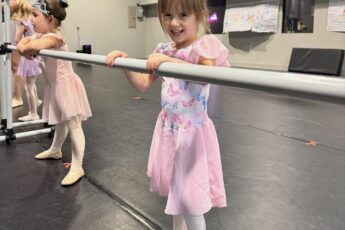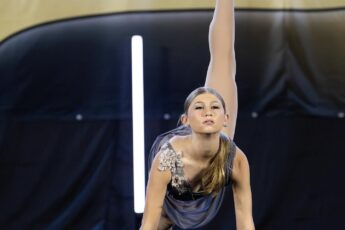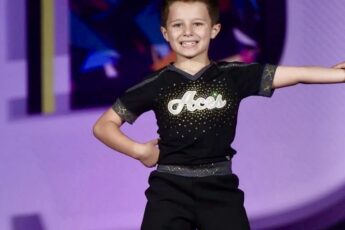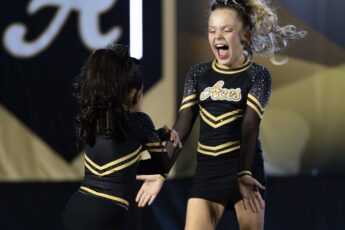
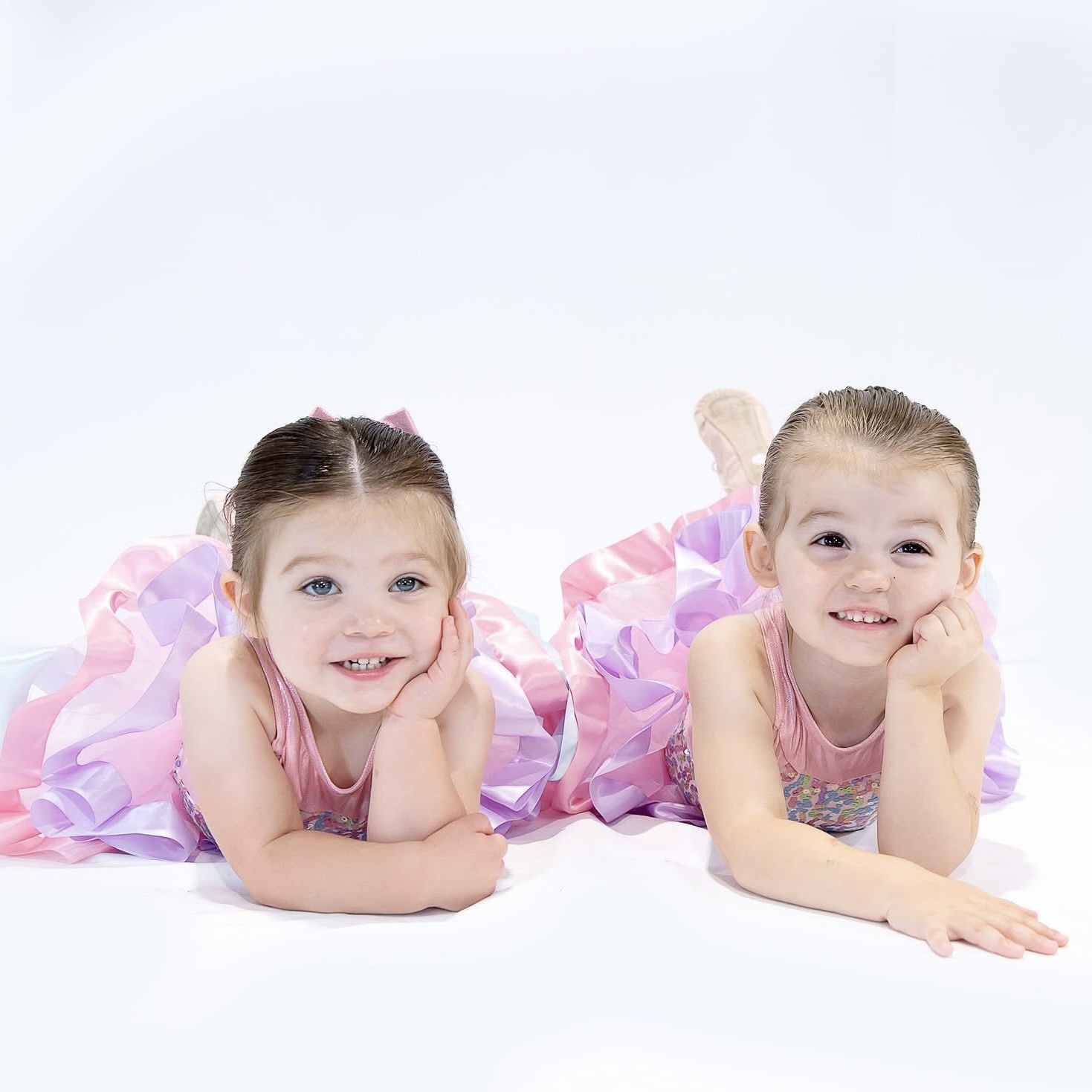
Before kids can fully explain how they feel, they move.
They bounce when they’re happy.
They sway to music without thinking.
They spin, jump, and repeat the same movement over and over — not because they’re practicing, but because it feels right.
That’s why dance is often a child’s first language.
Movement Before Words:
Long before children can clearly express emotions, they use their bodies to communicate:
• Excitement
• Curiosity
• Frustration
• Joy
Dance gives kids permission to explore those feelings through movement — without needing the “right” words.
For many kids, especially younger ones, dance feels natural because it meets them exactly where they are.
Dance Is More Than Learning Steps:
A beginner dance class isn’t about perfection or performance.
It’s about:
• Listening to music
• Understanding rhythm
• Learning how to control movement
• Following direction in a structured but creative environment
• Expressing personality safely
The steps matter — but what’s happening underneath matters more.
Confidence Grows Quietly in Dance:
Dance builds confidence in a different way than louder, high-energy activities.
You might notice:
• Better posture
• Stronger focus
• Willingness to try without being asked
• Pride in small improvements
• Comfort being seen and taking up space
These changes don’t always announce themselves — but they show up over time.
Structure + Expression = Growth:
One thing parents are sometimes surprised by is how structured dance class can look.
That structure is intentional.
Clear expectations, repetition, and discipline give kids the freedom to express themselves within boundaries. That balance helps children feel secure, focused, and confident — both in the studio and outside of it.
Every Child Belongs in Dance:
Your child doesn’t need to be…
• Naturally flexible
• Outgoing
• “Graceful”
• Experienced
They just need a willingness to move.
Some kids shine right away. Others take time. Both are normal — and both are supported.
A Teacher’s Perspective:
One of the most rewarding parts of teaching dance is watching a child discover their own movement voice.
The child who starts class unsure…
The one who quietly watches at first…
The dancer who suddenly connects to the music and realizes, “I can do this.”
Those moments are why dance matters.
Final Thought:
Dance isn’t just an activity.
It’s a way kids learn about themselves — their bodies, their confidence, and their ability to express who they are.
And sometimes, before kids can say how they feel, dance helps them show it.