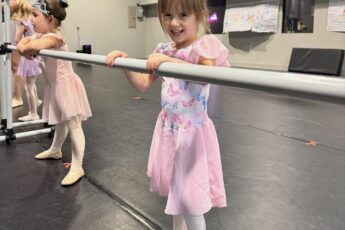
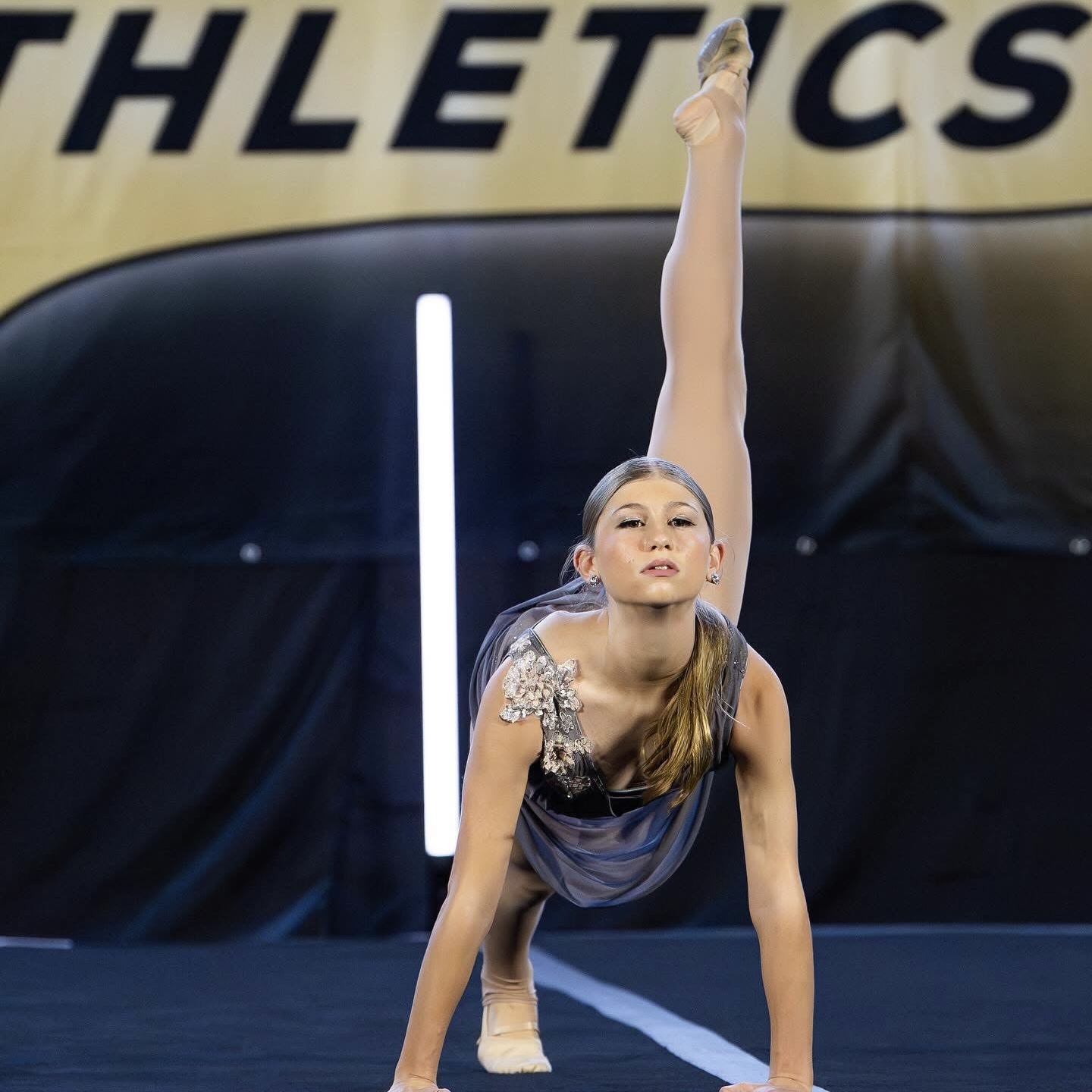
If you’ve ever peeked into a dance class and thought, “Wow, that looks really strict,” you’re not alone. From the outside, the precision, corrections, and repetition can seem intense. But there’s a reason for it — and it’s all about helping dancers grow, stay safe, and build confidence.
At Texas Aces Athletics, every correction, repetition, and instruction is designed with purpose — even if it feels serious in the moment.
Structure Helps Kids Learn
Dance is a skill-based art form that requires control, timing, and coordination. Without structure, dancers can develop habits that are harder to correct later.
In class, teachers may:
Ask dancers to repeat movements multiple times
Correct posture, alignment, or hand placement
Stop the class to review details with everyone
These moments may look strict, but they are essential for building a strong foundation. When dancers understand the correct technique early, they gain the confidence to move freely and creatively later.
Repetition and Focus Build Skill
What may seem like constant repetition is actually how dancers build muscle memory. Doing steps the same way over and over allows the body to “remember” movements, so dancers can perform them with control and expression — even under pressure.
Teachers enforce focus and attention during these moments because even small adjustments matter. Over time, dancers develop:
Precision and balance
Strength and control
Confidence to try new skills safely
Safety First
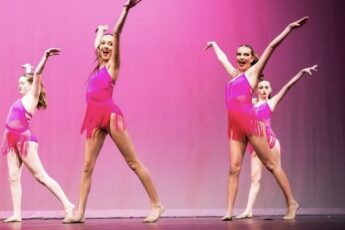
Dance looks graceful, but it’s physically demanding. Correct technique isn’t just about aesthetics — it’s about safety. A child performing a jump, turn, or lift with improper alignment is at higher risk of injury.
Strict corrections keep dancers safe while helping them grow stronger and more aware of their bodies.
Confidence Through Challenge
It might feel serious in the moment, but structure and guidance build confidence. Dancers learn that listening, repeating, and improving leads to results. They discover that mistakes are part of the process — not a failure — and that effort leads to visible progress.
This confidence carries off the dance floor too, teaching patience, focus, and perseverance.
The Bottom Line
Dance classes look strict because they are structured to help dancers:
Move safely
Build strong technique
Gain confidence
Reach their potential
Every correction, every repetition, every instruction is a step toward skill, strength, and joy in movement.
When you see a teacher guiding students firmly, know this: it’s not about being harsh — it’s about helping dancers grow, one precise step at a time.