If your child is already climbing your furniture, doing somersaults on the couch, or launching themselves off anything taller than a shoebox… congratulations. You might already have a tumbler on your hands.
One of the most common questions we hear from parents is:
“Is my child too young for tumbling?”
And honestly? Most of the time, the answer is no.
When Can Kids Start Tumbling?
Kids can start tumbling as early as 18 months to 3 years old, depending on the program. At this age, tumbling isn’t about back handsprings or tricks — it’s about:
•Balance
•Coordination
•Body awareness
•Following directions
•Confidence
Think of it as organized movement with purpose (and mats… lots of mats).
What Tumbling Looks Like for Young Kids
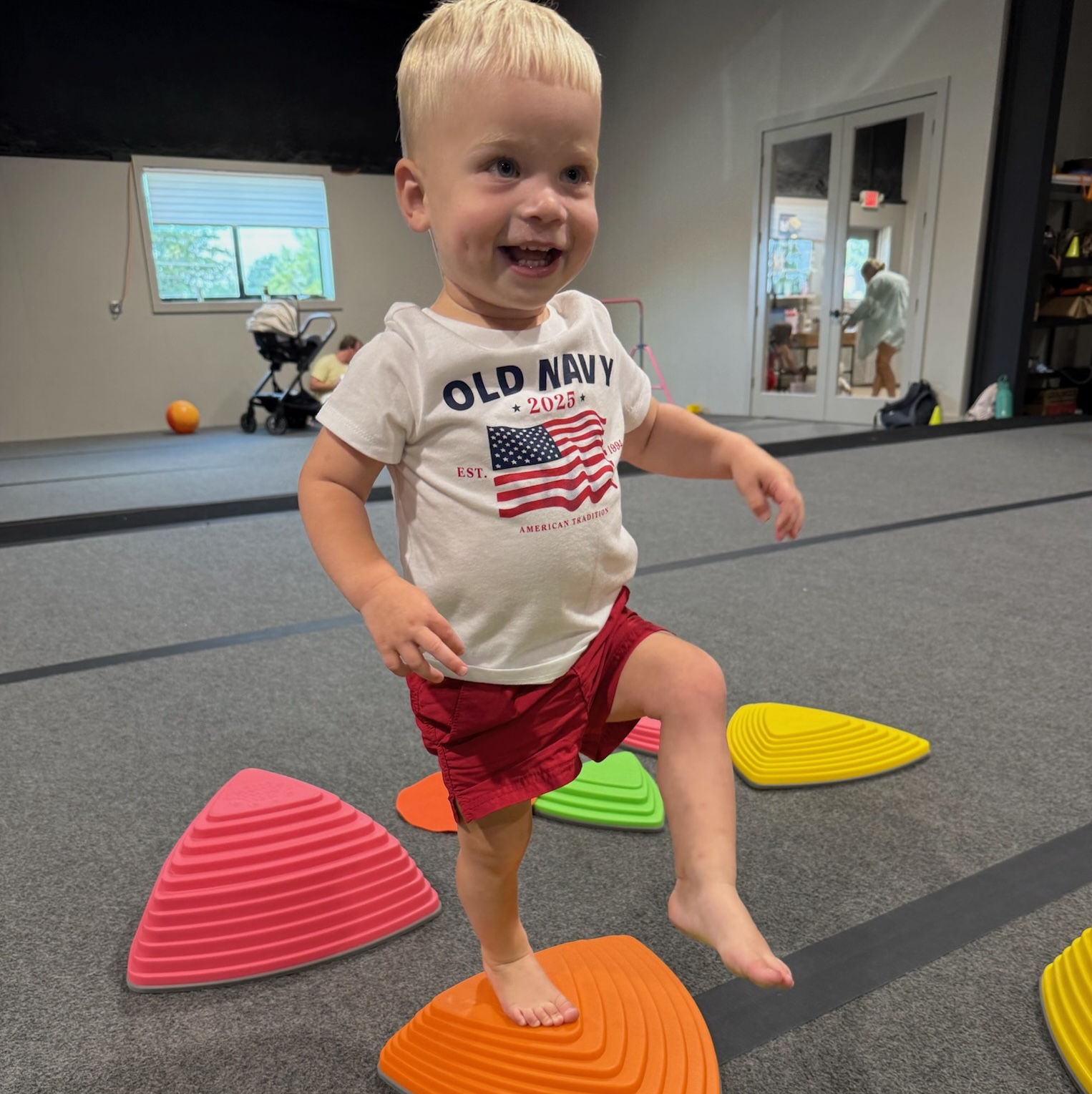
For toddlers and preschoolers, a good tumbling class should feel more like guided play than structured training.
In a typical beginner class, kids are learning how to:
•Safely roll and fall
•Jump with control
•Use their arms and legs together
•Wait their turn (this one’s big 😉)
•Try new things without fear
No pressure. No expectations. Just progress — at their pace.
“But My Child Is So Busy…”
That’s actually a good thing.
Kids who are naturally active tend to thrive in tumbling because it gives them:
•A safe place to move
•Clear boundaries
•Positive coaching
•Structured energy release
Instead of climbing your kitchen counters, they’re learning how to move correctly — which helps prevent injuries long-term.
What If My Child Is Shy?
We see this all the time. A child might cling to a parent the first class… then slowly warm up… then suddenly they’re leading the line.
Tumbling builds confidence quietly. There’s no spotlight, no pressure to perform. Kids gain confidence simply by doing hard things in a supportive space.
How to Know If Your Child Is Ready
Your child doesn’t need to:
•Be strong
•Be fearless
•Know how to tumble
•Be outgoing
They just need to:
✔️ Walk independently
✔️ Follow simple directions (most of the time)
✔️ Be curious about movement
That’s it.
Final Coach Truth
Tumbling isn’t about how early your child starts — it’s about starting the right way.
A well-structured program meets kids where they are, keeps them safe, and lets confidence grow naturally. Skills will come. Fun should come first.
If you’re unsure where your child fits, that’s okay. Helping families figure that out is literally our job.